Русский
#Хиросима
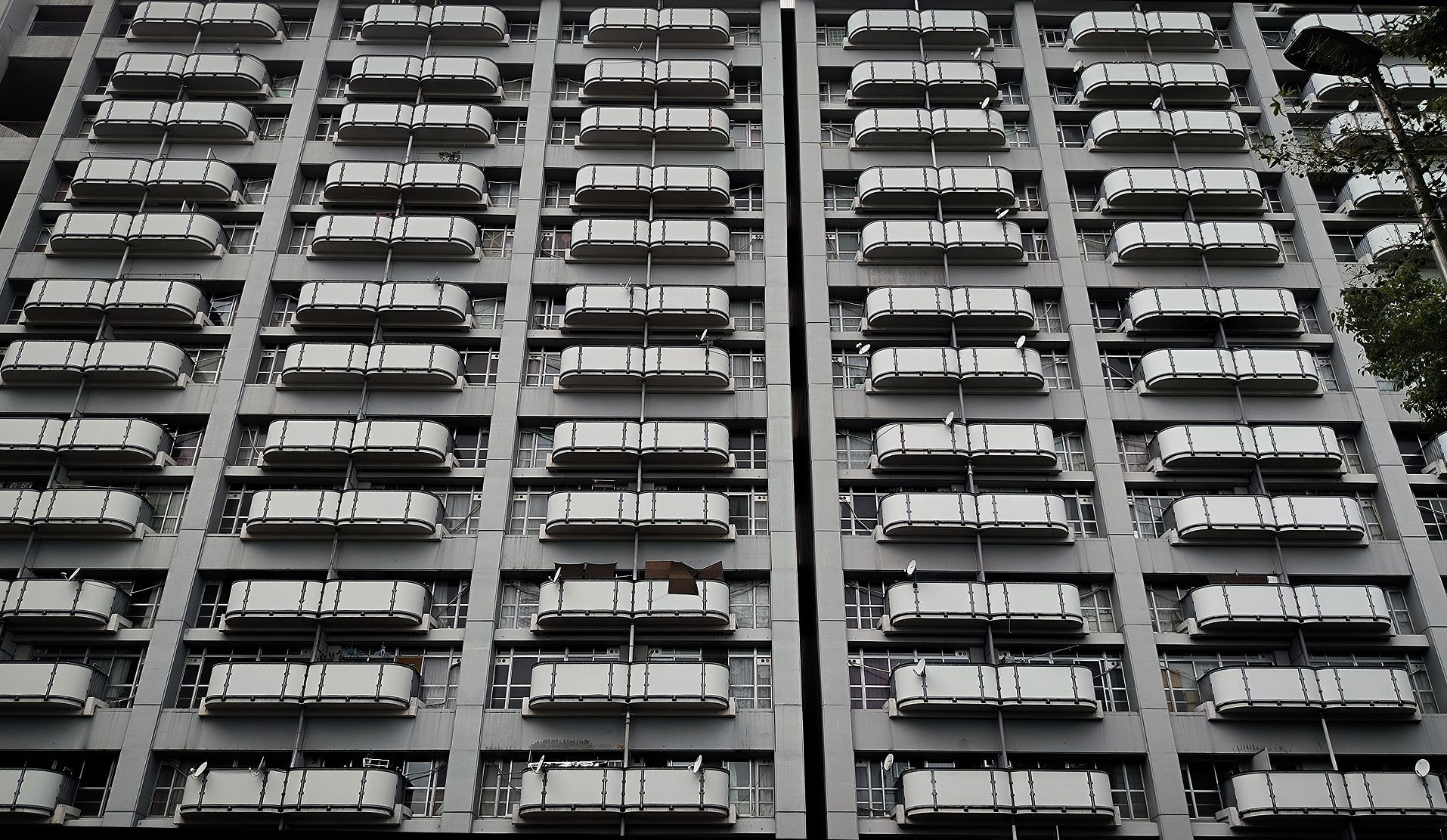
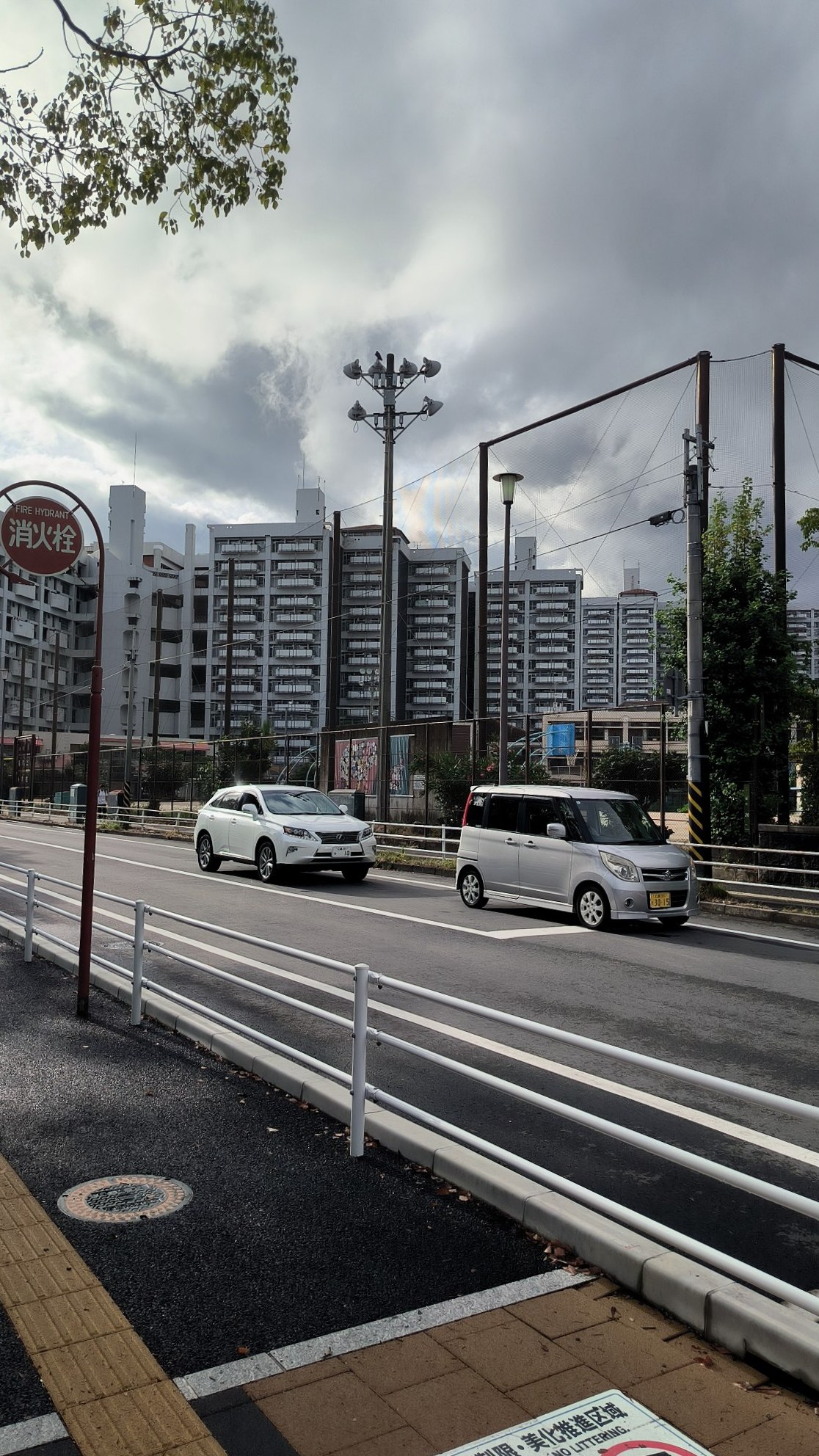
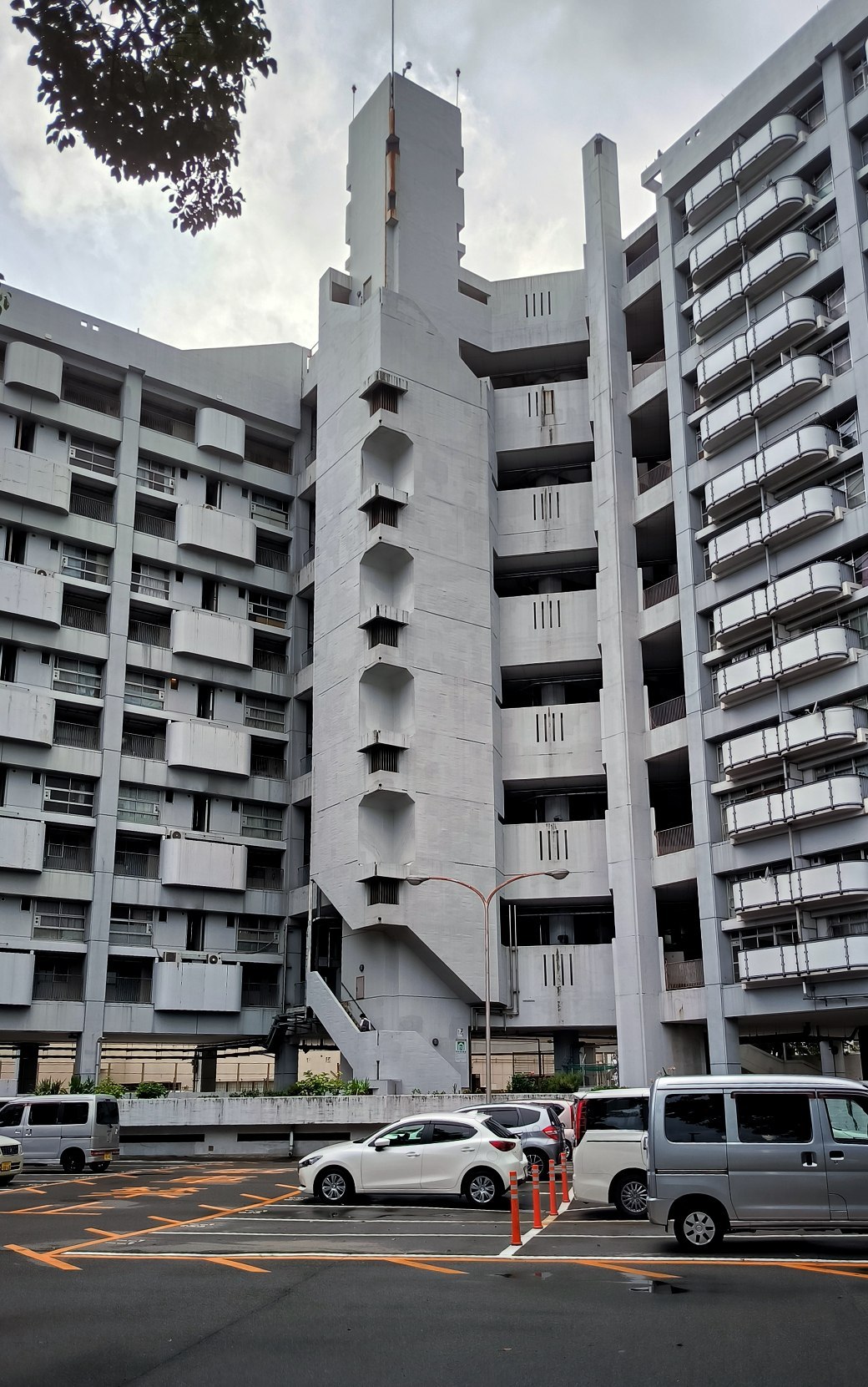
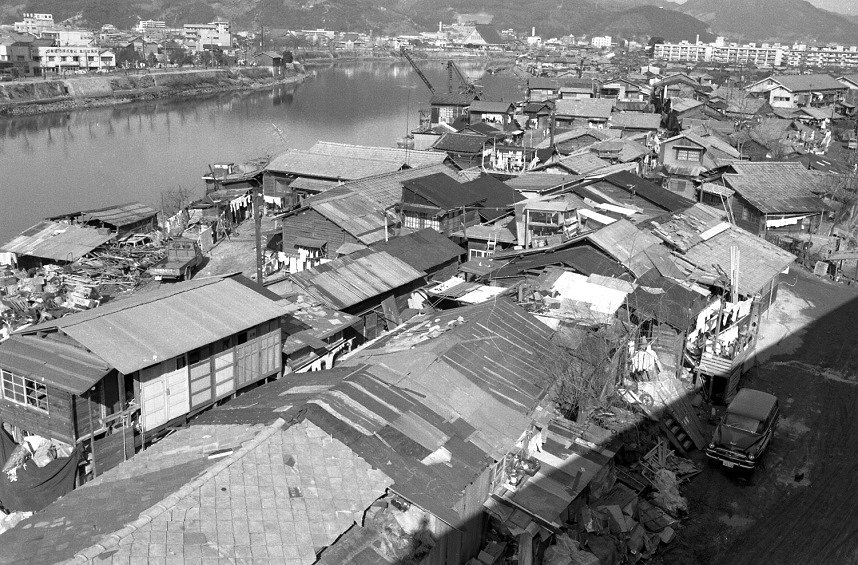
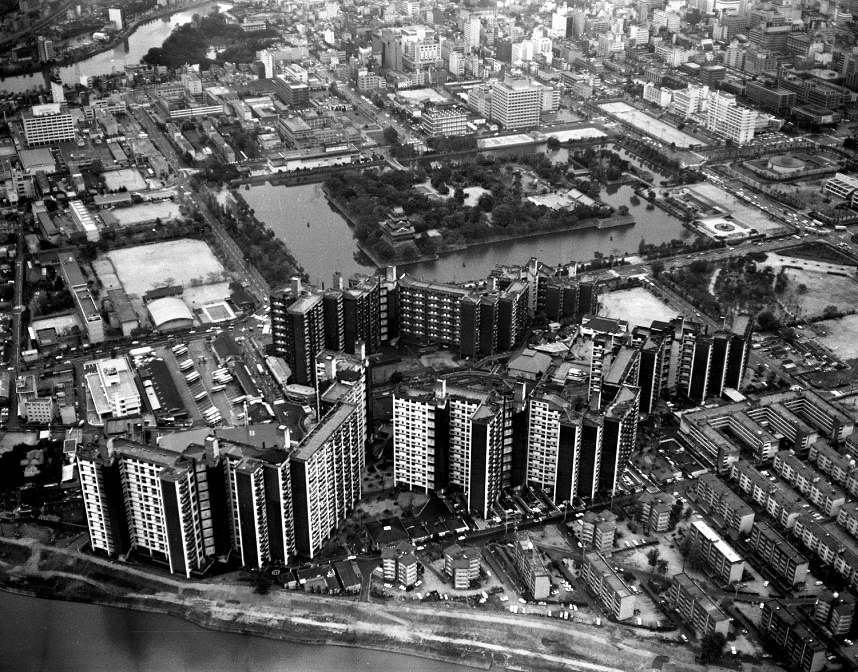
В 70-х годах расслоение в доходах населения Японии было гораздо выше чем сейчас, и тысячи граждан жили в по-факту трущобах. Пытаясь как-то исправить проблему, власти Хиросимы построили несколько социальных проектов планового типа, самым большим из которых стал многоквартирный жилой комплекс Moto-machi.
В ходе строительства была снесено примерно 1000 деревянных домов, стоявших на берегу реки в центре города. Заместо них был построен целый район из 20 домов на ~4500 апартаментов, с новым торговым центром и школой.
По сути, Япония следовала мировому тренду того времени. Такие "соцблоки" 20-го века сейчас можно найти во многих странах мира, от Европы до Америки.
English
#Hiroshima
In the 1970s, income inequality in Japan was much higher than it is today, and thousands of citizens lived in what were essentially slums. In an attempt to address this problem, the authorities in Hiroshima implemented several planned social projects, the largest of which was the Moto-machi apartment complex.
During the construction, approximately 1000 wooden houses located along the riverbank in the city center were demolished. In their place, an entire district of 20 buildings, comprising approximately 4500 apartments, was built, along with a new shopping center and a school.
In essence, Japan was following a global trend of the time. Such "social housing blocks" from the 20th century can now be found in many countries around the world, from Europe to America.